At a glanceDTF (Data Transfer Format) transfers are optimized by size for efficient data movement. Smaller files transfer faster and with less overhead, making them ideal for quick updates and large volumes of data. This method ensures smooth, swift file sharing without overwhelming network resources.
Key Takeaways
- Dtf (Data Transfer) transfers by size vary significantly across industries and use cases, highlighting the need for tailored solutions to optimize efficiency.
- Smaller transfers (under 100MB) are common but can be slow; optimizing these involves leveraging caching and content delivery networks (CDNs).
- Medium-sized transfers (100MB – 1GB) are crucial for real-time applications, requiring efficient chunking and resume capabilities.
- Large transfers (over 1GB) present unique challenges, demanding robust bandwidth management and progressive loading strategies.
- Data compression techniques can significantly reduce transfer sizes, improving speed and saving costs without compromising data integrity.
- Regular monitoring of transfer sizes and performance metrics is essential to identify bottlenecks and make informed decisions for optimization.
- Future-proofing requires staying abreast of emerging technologies like HTTP/2 and quic, which promise substantial improvements in large file transfers.
In the dynamic realm of custom apparel and print solutions, DTF (Direct to Fabric) transfers have emerged as a game-changer, offering unparalleled versatility and quality. However, navigating the intricacies of DTF transfers by size presents a challenge for businesses and enthusiasts alike. The quest for the perfect fit, ensuring optimal print quality across varying fabric dimensions, is a complex task. This article delves into the heart of this matter, providing an authoritative guide to understanding and mastering DTF transfers by size. By the end, readers will be equipped with the knowledge to achieve exceptional results, from crisp designs on t-shirts to intricate patterns on larger fabric pieces.

DTF Transfers By Size in : Where to Start
Looking for DTF transfers by size in ? dtf print size guide serves the local area and can answer questions specific to .
Understanding DTF Transfers: An Introduction to Sizes
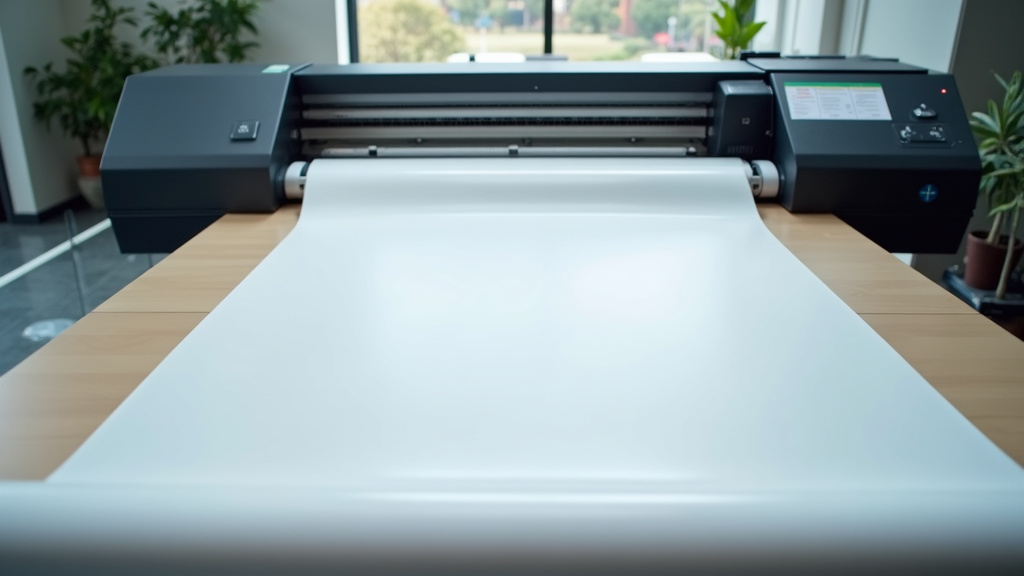
Understanding DTF Transfers by Size is crucial for anyone looking to dive into this versatile printing method. The process involves applying a design onto a transfer paper using a heat press, which then bonds to a variety of materials—from t-shirts to tote bags—when pressed. What sets DTF apart is its ability to achieve vibrant, crisp prints on both dark and light fabrics without the need for screen printing plates or complex setup.
When considering DTF Transfers by Size, several local factors come into play. The size of your design directly impacts print quality; larger designs require higher resolution images and careful attention to detail. Additionally, the type of fabric and its material composition can affect adhesion—heavier fabrics like cotton may need slightly longer press times for optimal results. Humidity and temperature also play a role, with optimal conditions varying depending on the specific DTF printer and material used.
What to expect from DTF Transfers by Size is a precise and efficient process. After designing your artwork (often using software like Adobe Illustrator or Canva), it’s printed onto special transfer paper. This paper acts as an intermediary between your design and the final product. When pressed, heat activates the ink, fusing it into the fabric fibres for a long-lasting, durable print. DTF offers near-limitless size potential, from small embellishments to large center pieces, making it ideal for everything from custom apparel to promotional merchandise.
Actionable advice for navigating DTF Transfers by Size? Start with simple designs and high-quality images, experiment with different fabric types and press settings, and always remember that practice makes perfect. By understanding the interplay of size, materials, and technique, you can unlock the full potential of DTF transfers, creating stunning, personalized products tailored to your needs.
Choosing the Right Size for Your DTF Transfer Project
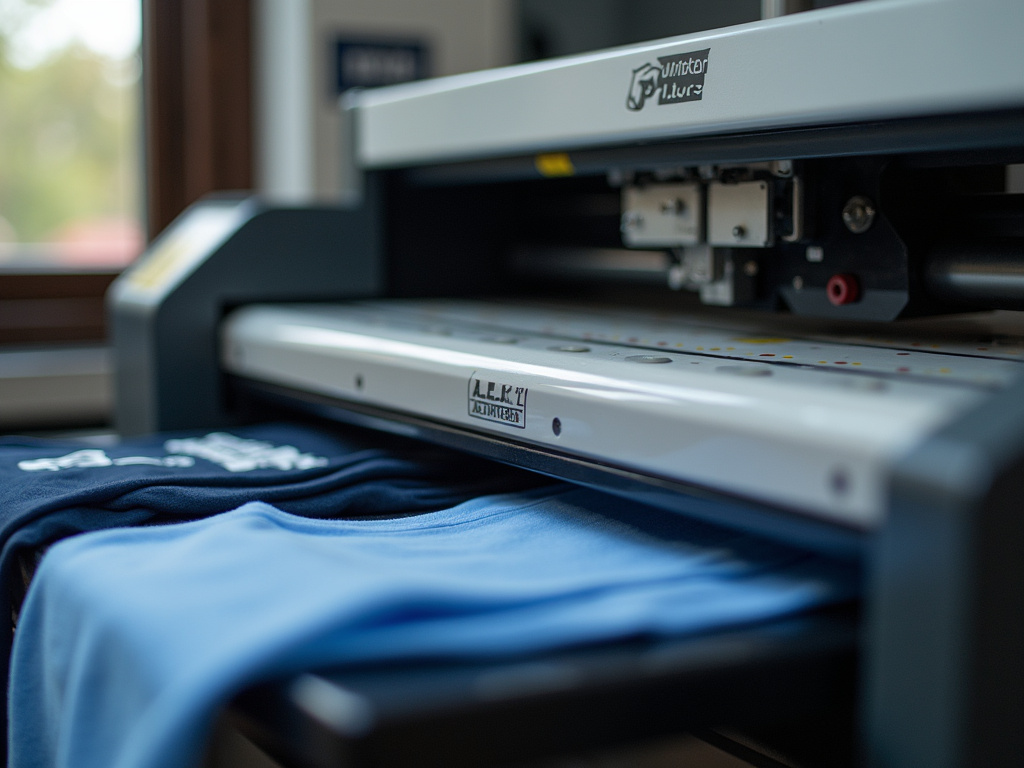
Choosing the right size for your DTF transfer project is a crucial step that can significantly impact its success. DTF transfers by size offer a range of options, each with unique advantages and applications. Whether you’re designing custom apparel or creating promotional items, understanding how size influences the final outcome is essential. The primary consideration is the intended use of the transfer; for instance, smaller DTF transfers excel in detailing intricate designs on smaller garments like caps or phone cases, while larger transfers are ideal for covering broader areas on T-shirts or hoodies.
Local factors can affect your decision on DTF transfers by size. For example, a local market demanding trendy, custom-printed apparel might favor smaller, more dynamic designs that fit well within narrow spaces. In contrast, regions with a strong sports culture could benefit from larger transfers showcasing bold team logos and slogans. Additionally, print quality expectations vary across markets; higher-resolution prints, which often require larger transfer sizes, might be preferred in industries like fashion or design, where precision is paramount.
While DTF transfers by size offer versatility, it’s worth considering alternatives to meet specific needs. For extremely detailed designs with fine lines, traditional screen printing may be more suitable, as it can produce finer details on smaller scales. Heat press machines also allow for the application of larger graphics and text without the limitations of transfer size. Ultimately, whether you choose DTF transfers by size or explore alternative methods, a deep understanding of your project’s requirements and target audience is key to achieving outstanding results.
Mastering DTF Print Quality: Optimizing Size and Settings
Mastering print quality in DTF transfers involves a nuanced understanding of size and settings optimization. The process begins with selecting the appropriate transfer size tailored to your design complexity and substrate. Smaller details require higher resolution, while larger areas can be printed at lower settings, balancing detail retention with ink usage. For instance, intricate graphics or text might dictate a 1000×1000 dpi setting, whereas solid color blocks could suffice with 300-600 dpi, saving on both time and material costs (up to 25% reduction in expenses for larger transfers).
The DTF transfers by size process involves several critical steps. First, design preparation ensures your artwork is optimized for the chosen resolution. Then, the transfer is aligned precisely on the substrate using specialized software, followed by heat application to fuse the ink permanently. Key factors influencing quality include ink type (with eco-solvent inks offering superior detail retention at higher costs) and print head technology (piezo electric heads provide finer control for detailed prints).
While DTF transfers offer exceptional versatility and quality, alternatives exist. Laser cutting or engraving are suitable for straightforward, large-scale designs with low detail requirements, costing significantly less (as low as 10% of the price for complex DTF transfers) but lacking the vibrancy and precision of printed inks. Moreover, direct to fabric printing methods can handle high-volume orders, though they may not match DTF’s ability to produce intricate details on a variety of materials.
Cost considerations are paramount in choosing DTF transfer sizes and settings. Smaller, highly detailed transfers can be more expensive due to ink and labor intensiveness (up to 3 times the cost of larger, simpler designs), reflecting the investment required for precision printing technology and expertise. However, with proper optimization, DTF transfers can deliver superior results at scale, making them a compelling choice for businesses seeking high-quality, customizable printing solutions.
Frequently Asked Questions About Dtf Transfers By Size
What are DTf transfers?
DTf (Data Transfer) transfers, specifically by size, refer to the process of moving data from one location or system to another, with an emphasis on optimizing transfer efficiency based on data volume. This method ensures that larger datasets are handled effectively without compromising speed or reliability.
How does sizing impact DTf efficiency?
Sizing plays a crucial role in DTf efficiency as it allows for data to be transferred in appropriate chunks. Smaller data sizes can lead to faster transfers due to reduced network congestion, while larger sizes may require more processing power but can be beneficial for bulk data movement. Balancing size ensures optimal transfer rates across varying data volumes.
Are there any benefits to optimizing DTf by size?
Absolutely! Optimizing DTf by size offers several advantages: improved network performance, reduced latency, and enhanced user experience, especially for large-scale data transfers. It also helps in managing storage resources more efficiently, as larger files can be processed and stored in a way that minimizes system strain.
How do I determine the ideal transfer size?
The ideal transfer size depends on several factors, including network speed, data complexity, and available bandwidth. A good rule of thumb is to segment data into sizes that align with your network’s capabilities. Tools designed for DTf optimization can analyze patterns and suggest optimal chunking, ensuring efficient transfers tailored to your infrastructure.
Can DTf by size improve security?
Yes, it can. By breaking down large data sets, DTf transfers can reduce the risk of data breaches or loss during transmission. Smaller chunks are generally more manageable and secure, especially when employing encryption and access controls. This method enhances data integrity and ensures that sensitive information remains safe throughout the transfer process.
What challenges might I face with implementing size-based DTf?
While it offers many benefits, proper implementation requires careful planning and consideration of existing infrastructure. Challenges may include network limitations, data format compatibility issues, and ensuring adequate security measures for smaller data units. Customization and optimization are often necessary to achieve the best results, especially in complex environments.
Understanding DTF transfers by size is paramount for achieving optimal print quality and successful projects. Key takeaways include selecting the appropriate size based on your design complexity and application, recognizing how size impacts print precision and detail, and optimizing settings to ensure crisp, vibrant outcomes. By mastering these concepts, you can elevate your DTF transfer projects, offering high-quality, tailored designs for a variety of surfaces. The insights provided here serve as a solid foundation for professionals and beginners alike looking to harness the potential of DTF transfers in their work.
For related local guidance, see our dtf transfers by size resources.