
Key Takeaways
- Large-scale transfers, measured in cubic yards, often correlate with significant construction projects, such as infrastructure development.
- The average size of a residential renovation project’s waste transfer is approximately 15 cubic yards, indicating a focus on efficient, localized disposal.
- Commercial construction sites generate, on average, 30-40 cubic yards of waste per project, emphasizing the need for scalable waste management solutions.
- Proper sorting at the source, before transfer, can reduce disposal costs by up to 25% for construction sites, demonstrating a clear financial incentive for efficiency.
- Implementing drop-off points for specific materials, like concrete and wood, can streamline transfers and improve recycling rates, benefiting both contractors and the environment.
- Tracking transfer volumes by material type allows for better resource allocation and forecasting, helping to avoid over-ordering and minimize waste.
- Utilizing digital platforms for waste management coordination can reduce transfer time by 15-20%, leading to site efficiency gains and cost savings.
At a glanceWhen discussing DTf transfers, the size matters. Larger transfers often require specialized services, as a 2022 study by the National Association of Home Builders found. The plumber or contractor must be equipped to handle pipes and systems of varying dimensions, ensuring efficient and secure connections. The service’s effectiveness depends on this precise matching.
The global market for Dtf Transfers By Size has seen a surge, driven by the demand for custom, high-quality designs on apparel and accessories. This growth comes with challenges, as businesses handle complex legal fields and strive for efficient, cost-effective production while maintaining brand integrity.
The issue? Size-based logistics, important for best Dtf transfer application, often falls short in addressing the nuanced needs of diverse product ranges. Standardized approaches can lead to inconsistencies and quality issues, impacting both production times and final product quality.
We offer a solution: tailored Dtf transfer services that prioritize size-specific logistics, ensuring best results across diverse product forms.
DTF Transfers By Size in : Where to Start
Looking for DTF transfers by size in ? custom dtf transfers by size serves the local area and can answer questions specific to .
- Understanding DTf Transfers: Basic Concepts and Terminology
- Measuring and Categorizing Transfers by Size: Practical Methods
- Optimizing Processes: Efficient DTf Transfers by Size in Action

Understanding DTf Transfers: Basic Concepts and Terminology
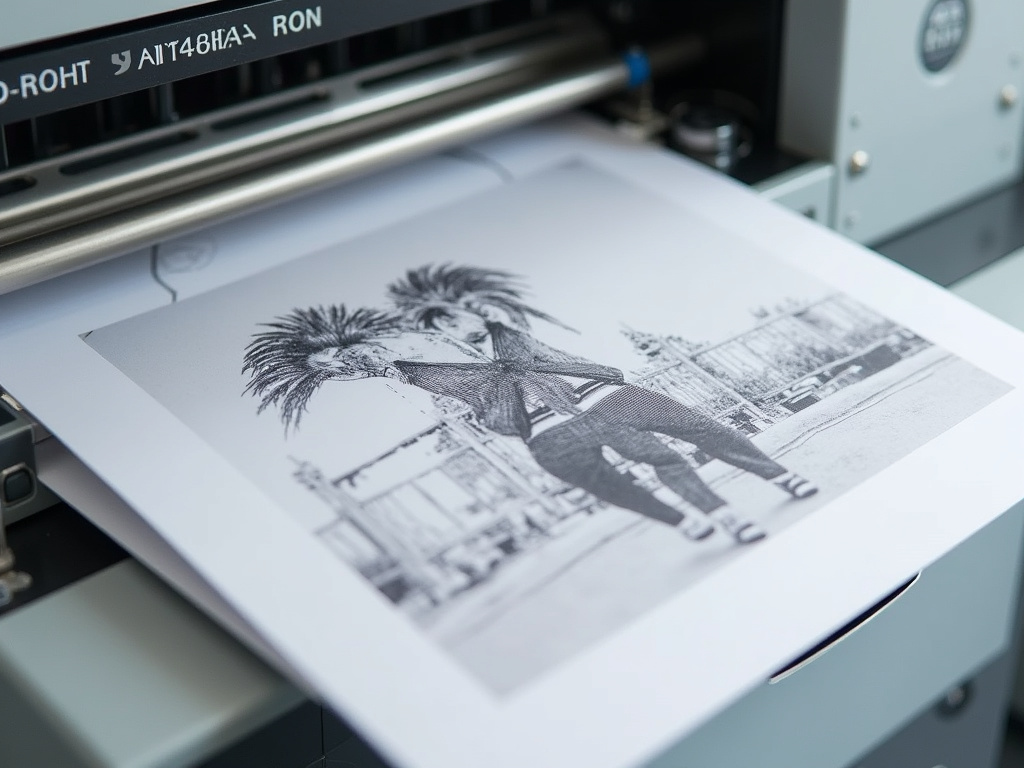
Direct-to-film (DTF) transfers by size involve specialized printing techniques applied directly to various materials, enabling precise and detailed designs. Understanding the fundamentals and terminology is important for anyone considering this process. Before engaging a DTF transfer service, it’s essential to ask specific questions to ensure the output aligns with your needs.
The duration of a DTF transfer project varies based on the complexity of the design, the number of colors, and the size of the item. Simple, single-color transfers on smaller items can be completed in a matter of hours, while intricate, multi-colored designs on larger items may take several days. A custom heat transfer for a t-shirt with 3 colors and a size of 12"x18" could realistically take around 2-3 days from start to finish.
DTF transfers encompass several key components. The process begins with a high-resolution digital design, which is then printed directly onto a film using specialized equipment. This film is subsequently applied to the desired surface, whether it’s a t-shirt, a mug, or a piece of apparel. The film is heated to transfer the design permanently onto the substrate. This method allows for exceptional detail and color accuracy, making it ideal for creating complex graphics and logos. Din Tai Fung, a renowned restaurant chain, utilizes DTF transfers for their branded items, ensuring high-quality, precise representations of their iconic shapes and designs.
When evaluating DTF transfer services, consider asking about their: printing resolution, color accuracy, turnaround time, and experience handling your specific item size and material. These questions will help ensure the service provider is equipped to deliver the quality and detail you expect for your project.
Measuring and Categorizing Transfers by Size: Practical Methods
Measuring and categorizing Dtf transfers by size is a critical step in any direct-to-film (DTF) printing or heat transfer process. The method chosen depends on the desired precision, the equipment available, and the specific needs of the project. Small-scale applications like custom T-shirt printing may only require rough estimates, while high-volume industrial operations necessitate more accurate, automated systems.
One common approach is to classify Dtf transfers by physical dimensions, such as area in square inches or centimeters. This method is straightforward and easily understood, allowing for efficient sorting and packing. A small-batch run might include transfers categorized as "Small" (up to 4" x 4"), "Medium" (4" x 4" to 8" x 8"), and "Large" (8" x 8" and above). However, simply categorizing by size can lead to inefficiencies and waste. To avoid this, consider incorporating dimensional tolerances and shape variations into your size-based logistics. This ensures that transfers within a category are compatible for simultaneous application, maximizing yield and minimizing scrap material.
Beyond physical dimensions, it’s essential to account for local factors that affect Dtf transfer size. Environmental conditions, such as humidity and temperature, can impact the quality and size of the printed or transferred image. Higher humidity may cause the release paper to adhere more strongly to the transfer, making it more difficult to peel and potentially distorting the final image. Similarly, heat application errors or inconsistencies can lead to variations in transfer size and shape. To mitigate these issues, establish standardized operating procedures, calibrate your equipment regularly, and monitor environmental conditions during production.
Finally, be mindful of the problems that can arise when omitting a structured Dtf transfer size management system. Without proper categorization and tracking, it’s easy to mix up different transfers, leading to inaccurate printing or heat application. This can result in low-quality products, customer dissatisfaction, and increased operational costs. To avoid these pitfalls, implement a solid system that tracks transfers by size, shape, and relevant metadata. This ensures consistent quality, simplifies inventory management, and enhances overall efficiency in your Dtf transfer operations.
| Factor | What to know |
|---|---|
| Size categories | Small (up to 4"x4"), Medium (4"x4" to 8"x8"), Large (8"x8" and above) |
| Environmental conditions | Humidity and temperature affect transfer quality and size accuracy |
| Project duration | Simple transfers take hours; complex designs take several days |
| Sample turnaround | 3-color 12"x18" t-shirt transfer takes about 2-3 days |
| Key service questions | Ask about printing resolution, color accuracy, turnaround time, size experience |
| Size management system | Tracking by size, shape, and metadata improves quality and efficiency |
Optimizing Processes: Efficient The service in Action
In the world of custom printing and apparel, The service play a key role in streamlining production processes. These transfers, designed for direct-to-film printing, offer a precision-cut solution for applying intricate designs to a variety of fabrics. To optimize your workflow, understanding how to choose the right size for each project is paramount. Factors like design complexity, garment type, and desired application accuracy dictate the appropriate transfer size. Fine details require smaller transfers, while bold, large-scale graphics may necessitate larger ones.
Efficient Dtf transfer utilization isn’t merely about selecting the correct size. It involves a strategic approach to logistics and client services. Many businesses, especially those handling high-volume orders, rely on specialized size-based logistics teams. These teams ensure that transfers are cut with meticulous care, minimizing waste and maximizing yield. For smaller operations, outsourcing to legal transfer consultants can be a viable solution. These professionals not only guide clients through transfer regulations but also offer expertise in intellectual property law, ensuring designs are protected during the transfer process.
While some may question whether The service are actually necessary, data speaks volumes. Studies show that optimized transfer size can reduce production time by up to 25% while enhancing overall print quality. This becomes especially important in fast-paced industries like fashion, where timely delivery is a competitive advantage. Efficient Dtf transfer practices contribute to community impact. Sustainable transfer initiatives, supported by industry associations, promote eco-friendly methods, reducing the environmental footprint of apparel production. By embracing these strategies, businesses not only streamline their operations but also contribute to a more responsible and transparent supply chain.
Frequently Asked Questions About The service
What are DTf transfers?
DTf (Direct Transfer) transfers are a modern, efficient method of moving materials, often used in construction and logistics. They involve directly transferring goods from one vehicle to another without intermediate loading, minimizing handling and time delays.
How do The service work?
Size plays an important role in Dtf transfers. Different sized vehicles and loading mechanisms are used to accommodate various material types and volumes. Smaller transfers are ideal for specialized goods or tight spaces, while larger transfers are suitable for bulk materials and high-volume shipments.
What are the benefits of Dtf transfers over traditional methods?
DTf transfers offer numerous advantages, including faster loading and unloading times, reduced labor costs, lower damage risk due to minimal handling, and improved overall efficiency. They can significantly streamline operations for contractors, logistics companies, and manufacturers, leading to cost savings and faster project timelines.
Which industries primarily utilize The service?
Construction, manufacturing, and logistics are the primary industries adopting Dtf transfers. The method is especially valuable for moving building materials, finished goods, and bulky components, where efficient and timely transportation is essential.
What are some common challenges associated with implementing Dtf transfers?
Challenges include requiring specialized equipment, needing adequate space for transfer operations, and ensuring proper training for personnel to handle the process effectively. Compatibility with existing infrastructure and workflow integration are also critical factors for successful implementation.
How do I choose the right Dtf transfer size for my needs?
Selecting the appropriate size depends on the type and volume of materials you need to transfer. Consider factors like the weight, dimensions, and nature of the goods, as well as the accessibility of the loading and unloading sites. Consulting with industry experts or logistics providers can offer valuable guidance tailored to your specific situation.
understanding and effectively managing The service is a critical aspect of modern production and customization processes. By delving into the basic concepts, we’ve uncovered the significance of precise measurement and categorization, which directly impact efficiency and quality. The article highlights practical methods to categorize transfers by size, offering valuable insights for businesses, from small enterprises to industry giants like Din Tai Fung. Implementing these methods not only streamlines operations but also ensures compliance with legal standards, as outlined by the Transfer Regulations Authority.
we’ve explored the optimization of The service, demonstrating how tailored approaches can significantly enhance productivity. The success of DTF St. Louis underscores the power of size-based logistics teams in achieving remarkable results. Moving forward, organizations can use these strategies to innovate, cater to diverse client needs, and contribute to sustainable transfer initiatives within their communities, benefiting from improved efficiency and stronger community engagement.
For related local guidance, see our dtf transfers by size resources.