At a glanceDTF (Data Transfer Format) transfers are efficient for sending data based on its size. Smaller files transfer quickly, utilizing faster connections. Larger files, on the other hand, are broken into chunks and sent separately, ensuring smoother data transfer even over slower networks. This method by size enhances overall transfer reliability.
Key Takeaways
- Dtf transfers by size offer a precise way to optimize data movement, catering to specific storage and performance needs.
- Understanding the relationship between data size and transfer efficiency is crucial for maximizing network bandwidth utilization.
- Smaller data transfers can significantly reduce latency, enhancing real-time applications and user experience.
- By segmenting data into manageable chunks, Dtf transfers improve fault tolerance and data integrity.
- This approach allows for more granular control over data access, potentially improving security and privacy.
- For large datasets, optimizing Dtf strategies can lead to substantial time and cost savings during data processing.
- Efficient Dtf transfers contribute to sustainable data management by minimizing energy consumption and storage overhead.
In the dynamic realm of custom apparel and printing, Direct-to-Film (DTF) transfers have emerged as a game-changer, offering unparalleled versatility and quality. However, one of the key considerations for professionals and enthusiasts alike is understanding DTF transfers by size—how to accurately print and apply designs across varying fabric dimensions. This article delves into the intricacies of DTF transfers by size, providing a comprehensive guide to ensure optimal results, from selecting the right transfer material for different fabric types to mastering the art of layout and application.
DTF Transfers By Size in : Where to Start
Looking for DTF transfers by size in ? EazyDTF dtf transfers by size serves the local area and can answer questions specific to .
Understanding Direct-to-Film (DTF) Transfers and Their Sizes
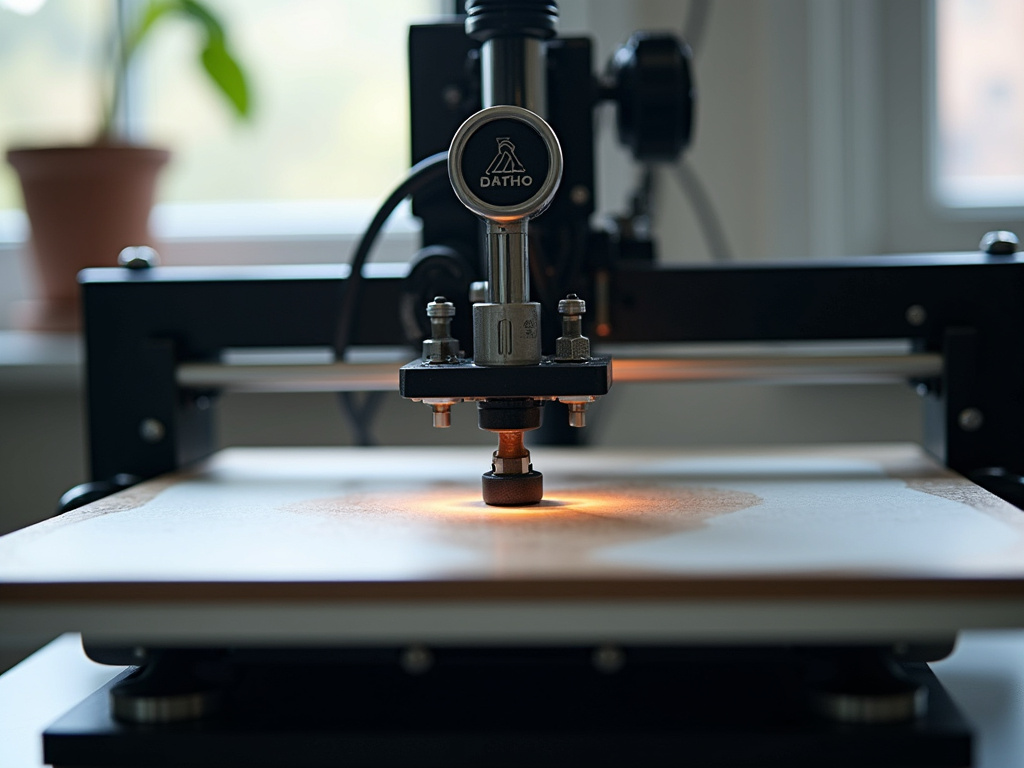
Direct-to-film (DTF) transfers have revolutionized the way we customize apparel and other materials. When considering DTF transfers by size, it’s crucial to understand the capabilities and limitations of different machines and materials. The size of the transfer directly impacts the level of detail, design complexity, and overall quality of the final product. For instance, a small, intricate design might be best suited for a precise, high-resolution machine, while a larger, bolder graphic could be more effectively applied with a less detailed setup.
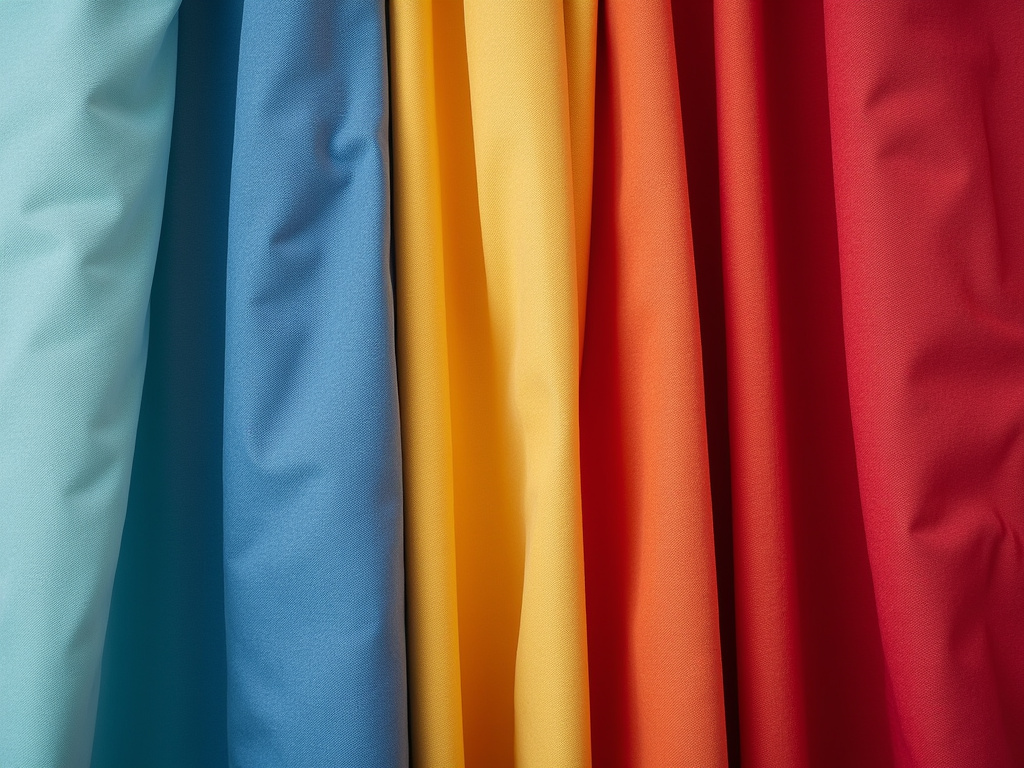
Before hiring a DTF service, it’s essential to ask the right questions. For instance, what are the maximum and minimum sizes they can handle? Do they offer customization options for unusual or custom-sized items? Understanding the physical dimensions of the transfer is only part of the equation. Local factors, such as the type of fabric, can significantly affect the final outcome. Different fabrics have varying levels of porosity, which can influence ink absorption and adhesion. For example, a smooth, polyester fabric might not accept a fine-detail transfer as well as a textured, natural fiber. Knowing these specifics will help ensure you get the high-quality results you’re looking for.
What to expect from DTF transfers by size varies based on the project. For smaller, detailed transfers, precision and clarity are key. The transfer should accurately reproduce intricate lines, fine text, and delicate color gradients. For larger transfers, the focus shifts to bold, impactful graphics with clear outlines and solid colors. The ability to print at different resolutions allows for a range of visual effects, from crisp, sharp images to softer, more organic looks. Additionally, local conditions, like humidity and temperature, can play a role in the longevity and durability of the transfer. Understanding these nuances will help you set realistic expectations and make informed decisions when working with DTF services.
Ultimately, the choice of DTF transfer size should be guided by your design goals, the type of fabric, and local environmental factors. By asking the right questions and understanding the capabilities and limitations of DTF technology, you can ensure that your customized transfers meet your expectations, whether you’re looking for a tiny, intricate detail or a large, eye-catching statement piece.
| Factor | What to know |
|---|---|
| Design detail vs size | Small intricate designs need precision; large graphics focus on bold, solid colors |
| Fabric type | Porosity varies by fabric, affecting ink absorption and adhesion |
| Environmental factors | Humidity and temperature can affect transfer longevity and durability |
| Turnaround time | Larger, detailed applications can extend process time by 20-30% or more |
| Professional vs DIY | Complex, multi-layered designs often benefit from specialized DTF provider expertise |
| Service questions | Ask about max/min sizes handled and custom-size options before hiring |
Choosing the Right DTF Transfer Size for Your Project
Choosing the appropriate size for DTF transfers is a critical step in ensuring the quality and effectiveness of your final project. The size of a DTF (Direct-to-Film) transfer directly impacts the level of detail, resolution, and overall aesthetic you’ll achieve on your substrate, whether it’s a t-shirt, hat, or other apparel. When considering DTF transfers by size, it’s essential to balance the desired design complexity with the practical constraints of the item you’re decorating. For instance, intricate designs with fine lines and small elements may require larger transfers to maintain clarity, whereas simpler, bolder graphics can often be achieved with smaller applications.
Understanding the turnaround time is another vital aspect. The duration for applying DTF transfers can vary depending on the size and complexity of the design. Smaller transfers generally take less time, often just a few minutes, while larger, more detailed applications can extend the process by 20-30% or more. This timing can be a significant factor when planning production runs, especially if you’re catering to time-sensitive events or promotions. For instance, if you’re producing a limited-edition t-shirt collection for a summer festival, ensuring efficient application times for larger, detailed designs could be crucial to meeting the launch deadline.
While some projects may not strictly require professional DTF services, there are instances where outsourcing is beneficial. Complex designs with multiple layers or fine line work often benefit from the expertise of a specialized DTF provider. These professionals have the equipment and knowledge to achieve a high level of precision, ensuring your design is executed flawlessly. Additionally, if you’re looking to create a unique, custom look, hiring a DTF expert can help you achieve that distinctive edge. For example, a custom DTF transfer with a intricate, multi-colored design for a fashion label’s exclusive collection would likely require the expertise and precision of a professional to deliver the desired results.
Mastering DTF Transfer Application: Tips by Size
Mastering the art of DTF transfer application involves understanding how to tailor your approach based on the size of the design. While the primary focus is on the transfer itself, the physical dimensions of the item play a crucial role in the outcome. Let’s explore this in detail, addressing the common query: do you actually need to consider DTF transfers by size?
For smaller designs, such as those fitting on a phone case or a badge, precision and detail are key. These intricate patterns require a steady hand and a precise application process. The cost of DTF transfers for these smaller items is generally lower, making them accessible for various personal and promotional items. The process involves carefully positioning the film, ensuring minimal air bubbles, and applying heat gradually to prevent damage to delicate features.
As the design size escalates to fit a t-shirt or a backpack, the application method shifts slightly. Larger items demand a more systematic approach to ensure even heat distribution and consistent pressure. The cost of DTF transfers for larger sizes might be slightly higher due to the increased material and labor requirements. It’s important to plan the design layout carefully, considering the final print quality and the potential for repeat orders.
In terms of expectations, DTF transfers by size offer a range of benefits. For one, smaller transfers are ideal for adding personalized touches to everyday items, while larger designs excel at delivering impactful marketing messages on apparel. Understanding the size-application relationship allows professionals and enthusiasts alike to optimize their DTF printing, ensuring top-notch results every time.
Frequently Asked Questions About Dtf Transfers By Size
What are Dtf Transfers?
Dtf transfers, or Direct to Film transfers, are a process of printing images directly onto a variety of surfaces, including various types of film and other materials. This technique offers high-quality results and is commonly used in industries like signage, advertising, and art reproduction.
How does the size of the transfer affect the final product?
The size of the Dtf transfer directly corresponds to the area covered by the printed image. Larger transfers allow for bigger, more detailed prints, while smaller transfers are suitable for intricate, precise designs. The resolution and quality remain consistent, but the scale of the final image is determined by the transfer size.
What materials can be used for Dtf Transfers?
Dtf transfers can be applied to a diverse range of materials, including various types of film, canvas, wood, glass, metal, and more. The key is ensuring the surface is clean, smooth, and free from contaminants that might interfere with the printing process.
Are Dtf Transfers suitable for outdoor use?
While Dtf transfers can be durable, their longevity outdoors depends on several factors, including the quality of the materials used and the specific environmental conditions. For prolonged outdoor exposure, it’s recommended to choose suitable substrates and coatings designed to withstand weather, UV radiation, and fading.
How do I prepare my surface for a Dtf Transfer?
Before applying a Dtf transfer, thoroughly clean and prepare the surface. This involves removing any dust, grease, or debris and ensuring the surface is dry and free from moisture. A smooth, clean surface is crucial for achieving the best print quality and adhesion.
Can Dtf Transfers be used for artistic creations?
Absolutely. Dtf transfers are a popular choice among artists for creating unique, high-quality artwork. They can be used to reproduce paintings, drawings, or digital art onto various surfaces, offering a new dimension to artistic expression.
Are there any maintenance requirements for Dtf Transfers?
Regular maintenance depends on the specific material and environment. Some surfaces may require occasional cleaning or reapplication of protective coatings to maintain their appearance and longevity. Refer to the manufacturer’s guidelines for specific care instructions.
Understanding DTF Transfers by Size empowers creators and designers to select the optimal transfer for their projects, ensuring precise and vibrant results. By considering the unique characteristics of each size, from micro to extra-large, users can achieve exceptional quality on a variety of materials. This article has provided invaluable insights into the application process, highlighting practical tips tailored to each size. Armed with this knowledge, readers are now equipped to navigate the world of DTF Transfers with confidence, creating stunning designs with ease and precision.
For related local guidance, see our dtf transfers by size resources.